Recycled Plastic Outdoor Furniture in South Africa: The Complete Buyer’s Guide
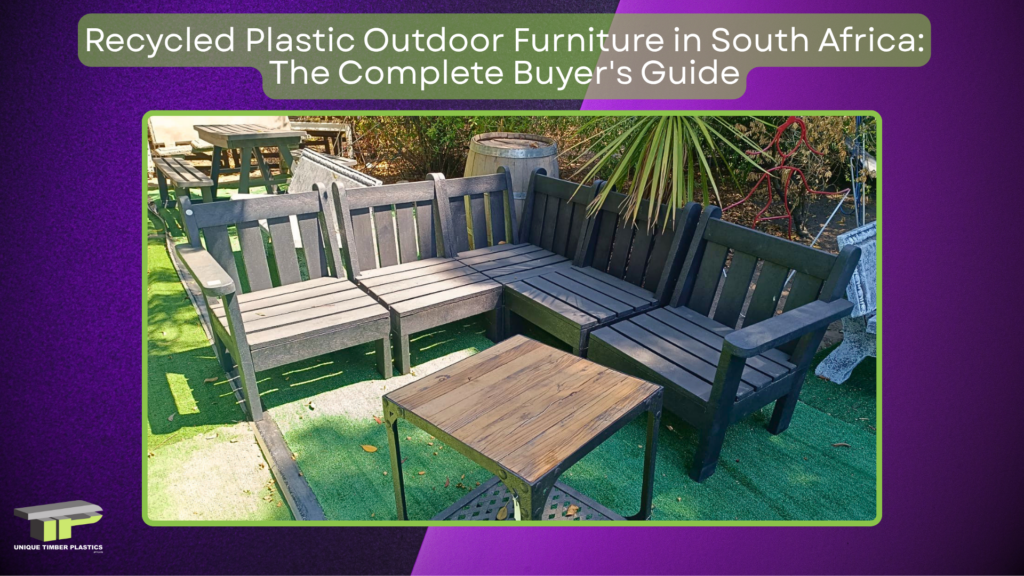
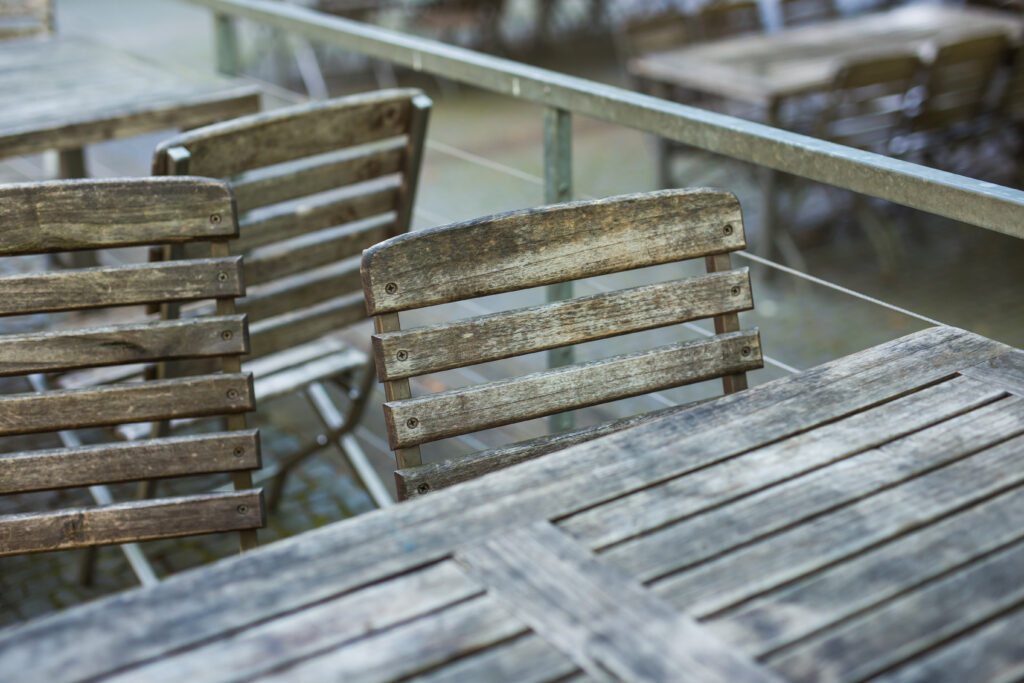
You buy a hardwood garden set and within two years the timber is cracking, the sealant has started to peel off, and one of the legs has started to show signs of rot near the base. The next thing you know, you are sanding, re-oiling, and hoping that the coming rainy season does not hit your outdoor furniture too hard. It is a story familiar to homeowners all over South Africa, and it plays out just as often at guest lodges, residential estates, and at schools.
South Africa’s climate is one of the harshest environments outdoor furniture can face. Intense UV radiation, humidity cycling from the Highveld summer rains to the dry winter months, salt air along the coast, and year-round exposure to insects that make short work of untreated timber all combine to degrade conventional wooden furniture at an accelerated rate.
Recycled plastic outdoor furniture has emerged as the practical answer to this problem that we face here in South Africa. Manufactured from post-consumer plastic waste, which is typically high-density polyethylene (HDPE) recovered from bottles, bags, and industrial packaging, delivers the appearance of natural wood with none of the vulnerabilities. This guide explains what the material is, why it suits South African conditions specifically, and what to look out for when buying.
What Is Recycled Plastic Outdoor Furniture?
What Is Recycled Plastic Outdoor Furniture?
Recycled plastic outdoor furniture is made by melting down post-consumer High-Density Polyethylene (HDPE), Low-Density Polyethylene (LDPE), and Polypropylene (PP) plastics and extruding/moulding it into solid boards, planks, and components that mimic the look of timber, leaving a finished product that is dense, heavy, and structurally stable.
Unlike virgin plastic furniture, eco-friendly outdoor furniture is made from a high-density material that is strong and sustainable. The boards are solid all the way through, which means they do not crack, split, or become hollow over time. There is also no need to worry about about paint/coat chipping away, as the colour of the plastic garden furniture runs deep within the material itself.
Manufacturers in South Africa produce recycled plastic furniture in a range of colours that replicate timber tones such as brown, black, and grey. Woodgrain finishes are common as well, with hardware typically being stainless steel or galvanised to match the corrosion resistance of the plastic itself.
The raw material (HDPE, LDPE, and PP plastic) is abundant in South Africa, where plastic waste recovery rates have been growing. By diverting this material from landfills and converting it into long-lasting products, the industry supports a genuinely circular economic model.
Why South Africa’s Climate Demands a Better Material
The South African climate presents a unique set of environmental stressors that accelerate the deterioration of conventional outdoor furniture, these include:
UV radiation: The South African sun is intense, particularly on the elevated Highveld. Traditional timber fades, dries out, and cracks under sustained UV exposure. Regular plastic furniture can easily warp and shrink, and metal furniture becomes too hot to touch and, rust forms rapidly where the protective coating is compromised.
Moisture cycling: Summer rainfall, high humidity, and then dry winters cause wood to expand and contract repeatedly. This cycling loosens joints, opens cracks, and traps moisture that leads to both rot and fungal growth.
Termites and wood-boring insects: There are large parts of South Africa that have significant termite populations, particularly KwaZulu-Natal, Limpopo, and Mpumalanga. Even treated timber is not guaranteed to be protected from this and recycled plastic furniture offers no nutritional value to insects and cannot be burrowed into.
Coastal salt air: Estates and hospitality properties along the coast face the additional challenge of salt-laden air, which corrodes metal and degrades the surface finishes on typical timber within months.
Domestic workers and cleaning chemicals: Heavy-duty cleaning products used on outdoor furniture such as bleach or acid washes, strip finishes from the timber and corrode the metal. Recycled plastic outdoor furniture does not require such intense chemicals to be used for cleaning, with water and dish soap doing the trick.
For any buyer who needs furniture to last in these conditions without ongoing intervention, recycled plastic is not only an environmentally friendly alternative, but the logical choice.
Why You Should Invest in Recycled Plastic Furniture in South Africa
Maintenance-Free for Life
Recycled plastic furniture requires no sanding, sealing, painting, oiling, staining, or treatment of any kind. The surface is non-porous, which means it does not absorb water or dirt. Cleaning requires nothing more than a water hose and, for tougher stains, a mild detergent.
For residential estate managers overseeing dozens of units, this eliminates a recurring maintenance cost entirely. For lodges and hospitality venues, it removes the labour overhead of seasonal furniture maintenance. Over a ten-year period, the total cost of ownership (purchase price plus maintenance) is substantially lower than timber alternatives, even where the initial purchase price may have been higher.
Weather and UV Resistance
Quality recycled plastic furniture is manufactured with UV stabilisers integrated into the material during the extrusion process. This prevents fading and surface degradation caused by prolonged sun exposure. The furniture retains its colour and structural integrity throughout all kinds of South African weather conditions, from Johannesburg hailstorms to Durban humidity to Cape Town southeasters.
Unlike regular timber, recycled plastic does not warp, swell, or shrink in response to moisture and temperature changes. Joints remain tight, surfaces remain flat, and the furniture looks the same at the end of a decade as it did when it was installed.
Insect and Termite Proof
Recycled plastic is inorganic, which means that there is no cellulose, no moisture content, and no nutritional substrate for insects of any kind. Termites, wood borers, and carpenter ants cannot damage it. For properties in high-risk termite zones, this eliminates a significant risk factor that would otherwise require regular chemical treatment or complete replacement of timber furniture and structures.
Environmentally Sustainable
Each piece of recycled plastic furniture diverts a meaningful volume of plastic waste from landfills. High-Density Polyethylene (HDPE), Low-Density Polyethylene (LDPE), and Polypropylene (PP) plastic has an extremely long degradation timeline in landfill conditions, making it’s recovery and repurposing a genuine environmental contribution rather than a marketing claim.
The durability of the end product compounds all of these benefits: furniture that lasts 60 years or more which requires no replacement during that period. This means no additional raw material consumption, no manufacturing energy, and no disposal costs. The full lifecycle environmental footprint of recycled plastic furniture is considerably lower than timber, which requires ongoing harvesting, treatment, transport, and disposal.
Recycled plastic outdoor furniture itself can be recycled again once it is no longer being used. This is what truly links the circular nature of using eco-friendly furniture as opposed to regular plastic furniture.
How to Spot Quality Recycled Plastic Furniture
Not all recycled plastic furniture is manufactured to the same standard. The following indicators help identify a quality product:
Material density and weight: High-quality recycled plastic lumber is noticeably heavy, while lightweight “plastic” furniture is typically virgin polymer or thin-walled construction, and neither offers the structural longevity of solid HDPE.
UV stabilisation: Ask specifically whether the product contains integrated UV stabilisers, as Some manufacturers simply apply a UV-protective coating, which degrades over time like any surface treatment. Integrated stabilisers are far superior.
Hardware quality: Joints and fixings should be stainless steel or equivalent. Mild steel fasteners will rust and stain the plastic surface over time, leading to possible replacements being needed.
Colour consistency: Cut-through colour (the same throughout the material thickness) indicates solid, quality construction. Surface-only colouring suggests a laminate or coated product. This means that over time, the coating will most likely start to chip away and will need replacement.
Lifespan: Some manufacturers of recycled plastic outdoor furniture cite expected product lifespans of 60 years or longer based on material degradation testing.
Local manufacturing: South African-manufactured products avoid the quality uncertainty associated with imported items and typically offer better after-sales client support and replacement part availability.
The Ideal Spots for Your Stylish Eco-Friendly Outdoor Furniture in South Africa
Residential homeowners: Garden furniture sets, patio chairs and tables, pool furniture, and outdoor benches that require no seasonal storage or treatment. Give your outdoor living space a touch of style while caring for your environment at the same time. Recycled plastic furniture options can be particularly valuable for homeowners who travel or prefer low-intervention living.
Residential estates and sectional title complexes: Estate managers responsible for communal outdoor areas benefit significantly from the elimination of extensive maintenance labour and cleaning costs. Recycled plastic furniture in communal gardens, braai areas, and pool surrounds reduces the facilities management burden while still keeping spaces vibrant and modern.
Game lodges and safari camps: The remote locations and harsh environmental conditions of South African game reserves make maintenance-free materials especially practical. Outdoor seating areas, deck furniture, and dining sets that survive the elements without requiring specialist treatment or replacement are a considerable step up from regular fragile timber.
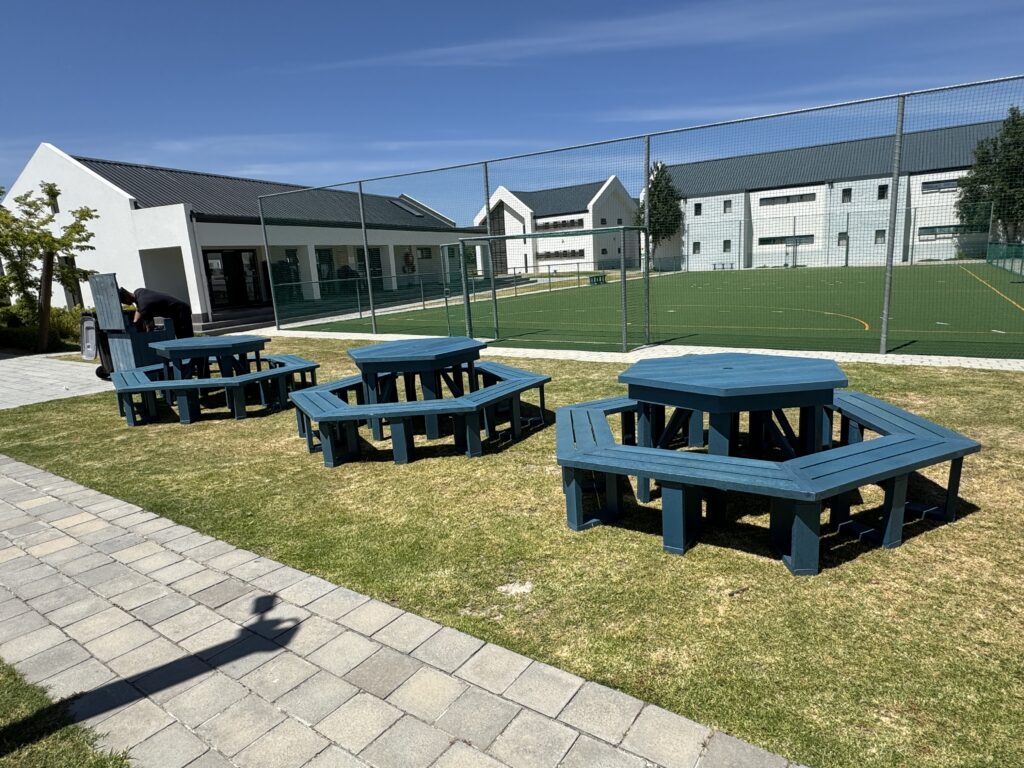
Schools and educational facilities: Durability, hygiene, and safety make recycled plastic furniture well-suited for school environments. The absence of splinters, sharp edges, and peeling paint is perfectly suited towards a child safe space.
Shopping centres and commercial properties: High-traffic environments demand furniture that can be cleaned quickly and thoroughly while still being able to withstands heavy use without visible degradation. Recycled plastic meets both requirements in this regard and is an amazing choice for these high-traffic areas such as shopping malls, community centres, and public parks.
View our blog page to see the many success stories of Unique Timber Plastics.
Frequently Asked Questions
Is recycled plastic furniture as strong as wood?
Yes. High-density polyethylene lumber has comparable structural strength to hardwood timber and, in some scenarios, outperforms it. The material does not have the grain-related weaknesses of wood (knots, checks, splits along the grain) and does not lose strength as it ages.
Does recycled plastic furniture fade in the sun?
UV-stabilised recycled plastic furniture resists fading significantly better than painted timber. Some gradual lightening of colour may occur over many years, but the change is far less pronounced than the bleaching seen in untreated poorly crafted timber.
Is recycled plastic outdoor furniture suitable for coastal properties?
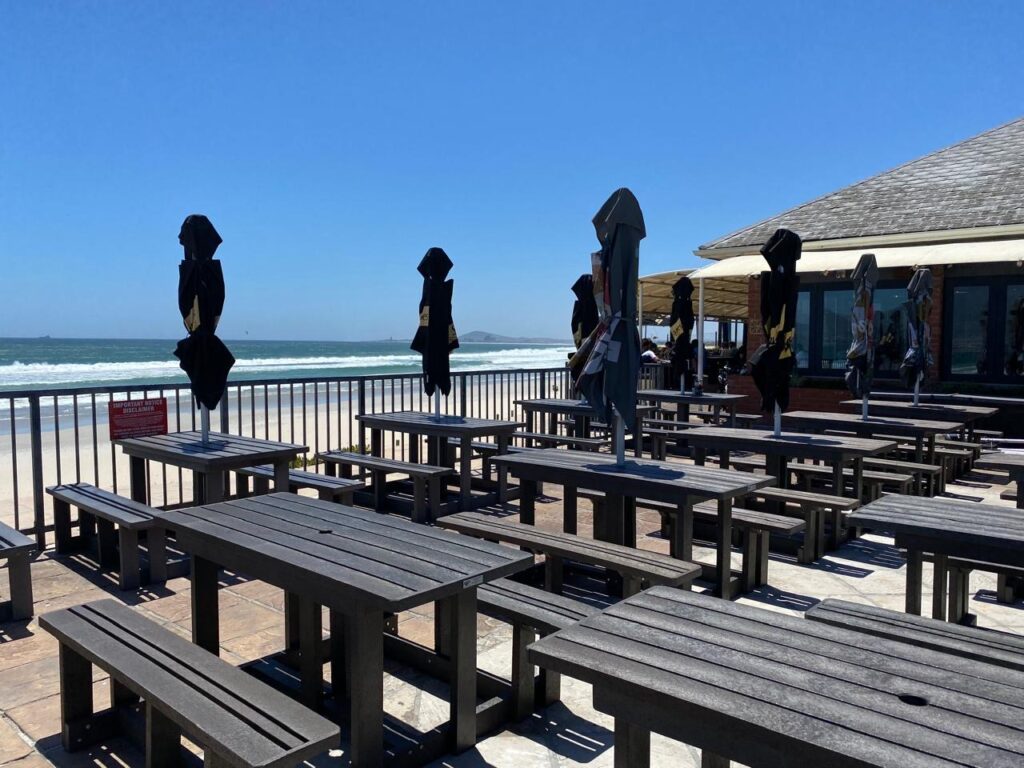
Yes. It is in fact ideally suited, as recycled plastic does not corrode, rust, or delaminate in salt-laden air. It is widely used in coastal decking and marine-adjacent applications for precisely this reason. Keep your seaside spaces cosy and practical.
How do you clean recycled plastic garden furniture?
A hose-down removes surface dust and most dirt. For tougher stains, such as bird droppings, algae, or oil, a stiff brush with soapy water is sufficient. No special cleaning products are required, and there is no risk of damaging the surface with standard cleaning agents.
How long does recycled plastic outdoor furniture last?
High quality HDPE, LDPE, and PP recycled plastic furniture has an expected lifespan of 50 to 60 years or more under normal outdoor conditions. This is substantially longer than even high-quality treated hardwood, which typically requires replacement or major restoration within 15–25 years.
Can recycled plastic outdoor furniture withstand strong winds?
It is extremely common for regular plastic furniture to be swept away by strong gusts of wind. However, because recycled plastic furniture is thick and very sturdy, this problem disappears. No need to worry about having your recycled plastic outdoor furniture fly away with the wind, as it’s weight holds it firmly to the ground.
Making the Right Long-Term Decision
Recycled plastic outdoor furniture South Africa is not simply a trend — it is an intuitive solution that solves real problems, environmental and financial, created by the country’s climate, pest pressure, and maintenance economics.
For homeowners, estate managers, and hospitality operators across South Africa, Unique Timber Plastics (uniquetimberplastics.co.za) manufactures a comprehensive range of recycled plastic outdoor furniture and structural plastic timber from 100% post-consumer recycled HDPE. Based in Johannesburg and Cape Town (supplying nationally), they work with residential clients, game lodges, schools, estates, and commercial properties. Contribute to a positive environmental push by exploring our extensive catalogue of recycled plastic outdoor furniture options that suit your space and needs.
Contact Our Depots
Gauteng: 011 626 2487 & enquiries@timberplastics.co.za
Cape Town: 079 525 0361 & capetownsales@timberplastics.co.za